

Our Top Picks
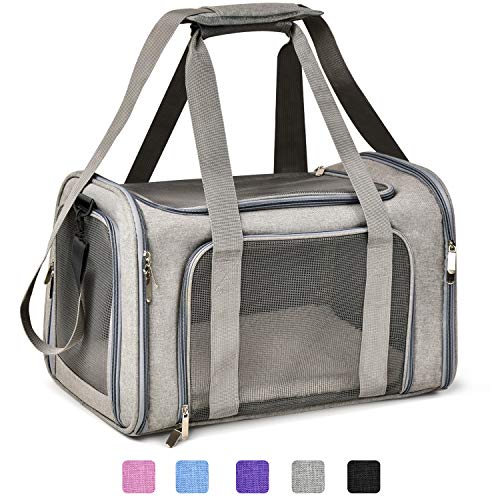 Henkelion Cat Carriers Dog Carrier Pet Carrier For17.0"L x 11.0"W x 11.0"H17 x 11 x 11 inches0.4 PoundsCheck on Amazon
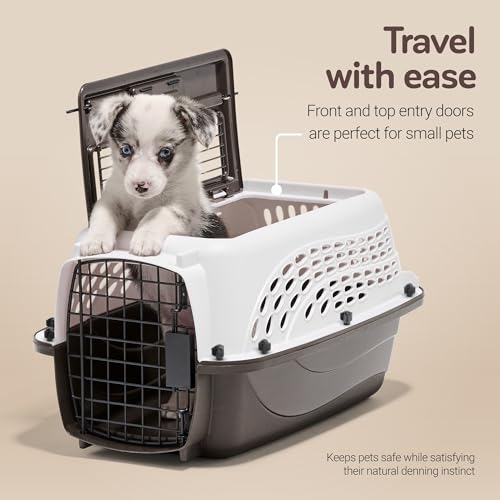
 Petmate Two Door Plastic Pet Kennel for Small19.4"L x 10.0"W x 12.8"H19 x 10 x 13 inches1 poundsCheck on Amazon
To travel with a cat, start weeks ahead: book a vet check, get your cat comfortable in a well-fitted carrier, secure the carrier in the vehicle or bring it through airline or train rules, pack the cat’s own food, litter and bedding, and keep the cat inside the carrier or in a secure harness at every stop. Most cats do best on short, planned trips with familiar items and plenty of calm. This guide walks through each step, with timelines, a mode-by-mode comparison and the safety points a vet would want you to know.
Disclosure: this site earns a commission when you buy through links on this page, at no extra cost to you. Medical questions belong with your veterinarian.
Before You Go: Is Your Cat Ready to Travel?
Cats are territorial and often dislike being moved, so the first step is an honest check on whether this trip suits your cat. Short drives and one-night stays are usually fine for a healthy adult cat. Long journeys, flights and multi-stop trips are harder, especially for elderly, frail, very anxious or ill cats.
Think twice, and talk to your vet, if your cat:
- has a heart, breathing or kidney condition, or any chronic illness;
- is a senior or a very young kitten;
- has a flat face (a brachycephalic breed), which can make heat and stress riskier on flights;
- panics in the carrier or in the car;
- has litter-box problems that stress could make worse.
If travel does not suit your cat, a cat sitter or a reputable boarding facility is a kinder option. A pet camera can help you check in on a cat that stays home.
The Travel Timeline
| When | What to do |
|---|---|
| 4 to 8 weeks before | Leave the carrier out at home. Feed treats in it. Start short car rides. Look up airline, train or hotel rules. |
| 2 to 4 weeks before | Vet visit: vaccines current, microchip details match yours, ask about a health certificate and any anxiety or motion-sickness medication. |
| 1 week before | Test the harness indoors. Try any medication the vet prescribes at home first. Pack the kit. |
| Travel day, morning | Offer a light meal a few hours before leaving, per your vet’s advice. Line the carrier and bring a litter box. |
| On the road or in the air | Keep the carrier closed and secure. Plan stops. Never leave the cat alone in a parked vehicle. |
| Arrival | Cat-proof one quiet room first. Set up litter, water, food and a hiding spot before opening the carrier. |
Step 1: Visit Your Vet 2 to 4 Weeks Ahead
Book a check-up two to four weeks before you leave. Ask your vet to confirm vaccinations, check that the microchip is registered with your current phone number, and tell you whether your destination, airline or hotel needs a health certificate. Some require it to be dated within about 10 days of travel, so confirm the rule for your specific trip. International travel can take months to arrange and has strict entry rules, so research it early.
Ask about anxiety and motion sickness. Many cats cope fine, but some benefit from vet-prescribed medication. Never give human medicines or over-the-counter sedatives to a cat without veterinary advice; some are dangerous. If your vet prescribes something, try a dose at home first so you know how your cat reacts, and ask about timing before departure.
Step 2: Choose and Introduce the Carrier
The carrier is the most important piece of kit. It should be large enough for your cat to stand, turn around and lie down, yet snug enough to prevent bouncing in a turn. Hard-sided carriers with a top opening are easier for getting a reluctant cat in and out, and they protect better in a crash. Soft-sided carriers are lighter, fit under airline seats and are easier to carry for short trips.
Henkelion Cat Carriers Dog Carrier Pet Carrier For Small / Medium Cats Dogs Puppies (Up To 15lbs), TSA Airline Approved Small Dog Carrier Soft Sided, Collapsible Waterproof Travel Puppy Carrier - Grey


As an Amazon Associate we earn from qualifying purchases. Product prices and availability are accurate as of the date/time indicated.
The Henkelion soft carrier shown above is listed for cats up to 15 pounds and marketed as airline approved, collapsible and waterproof. Check the carrier dimensions against your airline’s current under-seat limit, because rules differ, and one major veterinary site cites a 17.5 by 12 by 7.5 inch figure for some airlines.
Petmate Two Door Plastic Pet Kennel for Small Dogs and Cats, 19in, White | Top and Front Loading USA Made Crate Built from Recycled EcoTEC Plastic


As an Amazon Associate we earn from qualifying purchases. Product prices and availability are accurate as of the date/time indicated.
The Petmate 19 inch kennel is a hard-sided option with top and front loading, made from recycled plastic. It suits car travel and vet visits. Whichever you pick, leave it out at home for weeks, with a soft blanket and treats inside, so it becomes a safe den instead of a signal for the vet.
Carrier training in three steps
- Leave the carrier open in a living area with a familiar blanket inside. Toss treats in.
- Feed meals near it, then in it. Close the door for a few seconds, then a minute, rewarding calm behavior.
- Carry the cat to the car and back. Progress to short drives, then longer ones.
Step 3: Get a Secure Harness and ID
A cat can bolt through a car door, a hotel door or a gap at the airport. A well-fitted harness gives you a second layer of control when the cat is out of the carrier, and airport screening often requires you to carry the cat through while the carrier goes through the scanner. Introduce the harness indoors a week or two ahead, let the cat wear it for short periods with treats, and practice before trip day.

rabbitgoo Cat Harness and Leash Set, Escape Proof Vest, Black | Soft Breathable Mesh, Easy Adjustable Fit, Snap Buckles, Sturdy Clip, Reflective Strips, for Small & Average Cats Walks, Xs


As an Amazon Associate we earn from qualifying purchases. Product prices and availability are accurate as of the date/time indicated.
The rabbitgoo cat harness set is sold as an escape-proof vest in soft breathable mesh with snap buckles and reflective strips; the title lists an XS size for small and average cats, so measure your cat first. A cat should also wear a collar with an ID tag and be microchipped, with your travel phone number on the tag.
Step 4: Pack the Cat Kit
Pack as if your cat could be delayed for a day. Keep this kit within reach, not buried in the trunk or overhead bin.
- Food, plus a few extra days’ supply, in the same brand your cat eats at home;
- Water and a collapsible bowl;
- Travel litter box, familiar litter and a scoop;
- Waste bags, paper towels, gloves and a pet-safe cleaner;
- Vaccination records, health certificate if needed, and a recent photo of your cat;
- Medication and the vet’s contact details;
- A blanket or towel that smells like home, and one favorite toy;
- Spare harness and leash.

PETSFIT Portable Travel Cat Litter Box with Lid – Collapsible, Leak-Proof & Washable 2-Layer Liner, Sturdy Support Frame, for Hotel/Car/Camping, Cat Travel Essentials for Kitty/Medium Cats Black


As an Amazon Associate we earn from qualifying purchases. Product prices and availability are accurate as of the date/time indicated.
A collapsible travel litter box, like the PETSFIT model listed here with a lid and washable liner, saves space and gives the cat a familiar spot to go in a hotel or rest stop. Bring the litter from home, since cats notice changes in scent and texture. A pheromone spray made for cats is another option some owners use in the carrier, and you can ask your vet whether it is worth trying for your cat.
Step 5: Travel by Car, Plane or Train
| Mode | Best for | Key rules | Main risk |
|---|---|---|---|
| Car | Short and medium trips, most control | Carrier belted in the back seat; never open it while moving; stops every few hours | Heat in a parked vehicle; escape when doors open |
| Plane | Long distances | Cabin travel preferred; check airline carrier size, fees and paperwork; direct flights where possible | Stress, delays, temperature extremes if not in the cabin |
| Train | Some regional routes | Amtrak allows cats in carriers when cat and carrier weigh 20 pounds or less, on trips up to about seven hours | Limited routes, rule changes |
By car
Buckle the carrier into the back seat, or wedge it on the floor behind a seat, so it cannot slide. Do not let a cat roam loose in the car; a panicked cat can hide under the pedals. Keep the car at a comfortable temperature and cover the carrier partly to reduce visual stress. Offer water at stops, but keep the cat inside the carrier or in a harness with the doors and windows closed. Many guides suggest a break every two to three hours on long drives, with a litter box offered inside the parked car.
Never leave a cat alone in a parked car, even briefly. Temperatures can become dangerous in minutes. A cat backpack can make it easier to carry the cat from car to hotel or trailhead.
By plane
Check your airline’s pet policy before booking: cabin pet fees, carrier dimensions, weight limits and any breed restrictions vary. Book direct flights where you can and arrive early. Keep your cat in the cabin whenever the airline allows it. At security, you will usually be asked to take the cat out and carry it through while the empty carrier is scanned, so keep a harness on and hold the cat firmly. Put absorbent pads in the carrier and do not feed a large meal just before the flight. Compare the airline’s rules with your carry-on luggage so you know which item counts as your personal item.
By train or bus
Rules differ by operator. On Amtrak, the combined weight of cat and carrier must be 20 pounds or less and trips are limited to about seven hours. Always check the current policy of the specific operator before you book.
At a hotel or rental
Confirm the pet policy and any fee in advance. Set up the litter box, water and hiding spot in the bathroom or a quiet corner before letting the cat out of the carrier, close closets and block gaps under furniture, and hang a Do Not Disturb sign so staff do not open the door and let the cat out.
Step 6: Keep Your Cat Calm and Safe on the Road
- Keep the routine as normal as possible: similar feeding times, play and quiet time.
- Cover the carrier with a light cloth to reduce stimulation, but keep airflow open.
- Speak softly, and do not take the cat out for comfort in a public place.
- Skip big meals right before travel to reduce nausea, as many vets advise; ask yours how many hours before departure is right for your cat.
- Watch for signs of distress: heavy open-mouth breathing, drooling, vomiting, or collapse. If you see these, stop in a safe place, cool the cat if hot, and call a vet or an emergency clinic.
Special Cases: Kittens, Seniors and Multi-Cat Trips
- Kittens: they adapt quickly if introduced to the carrier early, but they need more frequent feeding and litter access. Confirm vaccination timing with your vet before any trip.
- Senior cats: stiff joints make long confinement uncomfortable. Use a carrier with soft bedding and a low entry, plan more stops, and ask your vet about pain and mobility before you go.
- Two or more cats: use a separate carrier for each cat. Sharing a carrier raises stress and injury risk, and airlines usually limit one pet per carrier.
- Moving house: keep the cat in a closed bathroom or bedroom with litter, water and food while movers work, then take the cat in the carrier last, and set up the new home’s quiet room first.
Arriving: The First Hour at Your Destination
The first hour sets the tone. Bring the carrier into the prepared room, close the door, and open the carrier at floor level. Let the cat come out on its own schedule and do not drag it out. Put the litter box away from the food and water, and leave a hiding spot such as a box or a covered bed. Offer a small meal and fresh water, and keep the room quiet for a few hours. Expect a cautious first day: some cats hide, skip a meal or explore slowly. If your cat is still not eating or using the litter box after a day, call your vet.
On the trip home, repeat the same routine: familiar carrier, normal mealtime, a calm room waiting. Cats often settle faster on a return journey because the destination smells like their own territory.
When to Call the Vet
Contact a veterinarian before the trip if your cat is on medication, has a health condition or has never traveled. During or after the trip, call a vet if the cat refuses food or water for more than a day, strains in the litter box, vomits repeatedly, hides and does not emerge for a long period, or shows breathing difficulty. Those signs can point to illness that stress has triggered or worsened. Do not give sedatives, pain relievers or human medicines unless a vet has told you to.
Travel Mistakes to Avoid
| Mistake | Why it matters | Do this instead |
|---|---|---|
| Introducing the carrier the day before | The cat links it with fear | Start weeks ahead with treats |
| Letting the cat roam in the car | Crash and escape risk | Keep it belted in a carrier |
| Skipping the microchip and ID check | Lost cats are hard to find without it | Update chip and tag before leaving |
| Using an untested sedative | Dangerous side effects | Ask the vet and trial at home |
| Changing litter or food | Stomach upset and accidents | Bring familiar supplies |
| Opening the carrier in a new place | Escape and hiding | Cat-proof a quiet room first |
FAQ
Is it cruel to travel with a cat?
Not if the trip is necessary, well prepared and suited to your cat. Healthy cats accustomed to the carrier often handle short trips well. For frail, ill or very anxious cats, a sitter at home is usually kinder. Ask your vet.
How long can a cat travel in a car?
Short drives under two to three hours are easiest. On longer trips, stop every few hours inside the closed car, offer water and a litter box, and avoid letting the cat out. Overnight stops are more comfortable for most cats than 12-hour drives.
Should I sedate my cat for travel?
Only if your vet recommends it. Some cats do better with prescribed anxiety or anti-nausea medication, but sedatives can be risky, especially on flights. Trial any medication at home first and follow the vet’s dosing and timing.
What do I need to fly with a cat?
A carrier that meets the airline’s size limit, the airline’s pet fee and reservation, vaccination records, and a health certificate if required. Policies differ, so call the airline before booking, and confirm rules for your destination.
Can cats use a litter box while traveling?
Yes. Bring a collapsible box and familiar litter. On long drives, offer it at stops with the car closed. Many cats will not go while moving, so plan breaks and expect some hesitation.
Should my cat wear a harness when traveling?
Yes, a well-fitted escape-resistant harness adds protection when the cat is out of the carrier, such as at airport security. Practice at home for a week or two so the cat accepts it, and keep it on only under supervision.
What if my cat is stressed or yowling in the carrier?
Cover part of the carrier, speak calmly and keep the car quiet and cool. Some cats settle with a blanket that smells like home. If the distress is extreme or lasts, ask your vet about calming aids before the next trip.
Last updated: October 2026




Write Your Review
No reviews yet. Be the first to share your experience!