

Key takeaways
- Power cables fail first in pet homes. Route the cable behind furniture or through a protective sleeve. Do not leave a dangling cable where a puppy or rabbit can chew it.
- Treat chutes collect oil and crumbs. Use dry treats, unplug the device before cleaning, and follow the manufacturer’s instructions rather than rinsing the electronics.
- Motors dislike obstruction. Keep toys, bedding, and curtains away from a pan-and-tilt camera’s moving range.
- Wi-Fi affects reliability. A camera that is far from the router may show delayed video or missed alerts even when other devices seem usable. A 2.4 GHz connection often travels farther through walls than 5 GHz.
- Privacy settings matter. Use a unique account password, enable two-factor authentication when offered, and aim the camera away from areas that do not need monitoring.
The best pet cameras for most homes are the eufy Pet Dog Camera D605 for treat dispensing without a required subscription, Furbo 360 Dog Camera for polished alerts and interactive features, and a standard indoor camera such as Wyze Cam v4 for the lowest-cost way to check on a pet.
The right choice depends less on the highest resolution than on four practical questions: how much of the room must be visible, whether you want to dispense treats remotely, how often you need alerts, and whether you accept an ongoing cloud subscription.
Our top picks


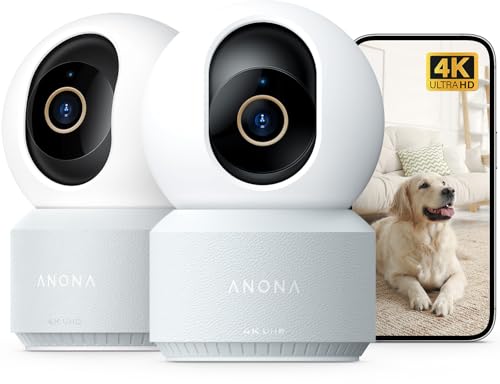

As an Amazon Associate we earn from qualifying purchases at no extra cost to you. Ratings are shown as listed on Amazon.
Best pet cameras at a glance
| Camera | Best for | Video and view | Treat dispensing | Subscription approach | Typical market range |
|---|---|---|---|---|---|
| eufy Pet Dog Camera D605 | Dogs needing scheduled or remote treats | 2K video, pan and tilt, wide room coverage | Yes; adjustable portion sizes | Core camera functions do not depend on a required plan | About $150–$220 |
| Furbo 360 Dog Camera | Frequent monitoring and interactive alerts | 1080p video, rotating view, automatic tracking on supported features | Yes; small round treats | Many advanced alerts and cloud features require Furbo Dog Nanny | About $100–$170, plus optional service |
| Petcube Bites 2 Lite | Simple treat tossing and two-way communication | 1080p video, wide-angle view | Yes; treat-tossing design | Basic live viewing is available without a full subscription; recording features vary | About $100–$160 |
| Wyze Cam v4 | Budget monitoring without a dispenser | 2.5K video, wide-angle indoor/outdoor-capable design | No | Local storage is possible; cloud detection features may require Cam Plus | About $30–$40 |
Prices change with bundles and sales, so treat these as buying ranges rather than fixed quotations. Also check whether the current version includes the same detection and recording features in your country.
Head-to-head: which camera fits your situation?
| Your situation | Best direction | Why | Main compromise |
|---|---|---|---|
| You want the lowest total cost | Wyze Cam v4 or another 2K indoor camera with local storage | Good detail for checking a room and no treat mechanism to clean or refill | No remote reward or pet-focused behavior features |
| Your dog is motivated by food | eufy Pet Dog Camera D605 | Remote dispensing, pan-and-tilt coverage, and a large treat reservoir | Larger and more expensive than a basic camera |
| You want frequent interaction during the workday | Furbo 360 Dog Camera | Two-way audio, treat tossing, rotating view, and pet-focused notifications | The most useful alert history and smart features can add a recurring fee |
| You monitor a cat in one small room | Petcube Bites 2 Lite or a compact fixed camera | A wide fixed view may be enough, while the dispenser provides occasional enrichment | A fixed view can miss a cat behind furniture |
| You cover a large or divided home | Two or more fixed cameras, or a pan-and-tilt model plus a second camera | Multiple viewpoints reduce blind spots more reliably than a single rotating lens | Each camera needs power, placement, and possibly its own subscription |
Video quality and room coverage
For ordinary pet monitoring, 1080p is sufficient when the camera is within roughly 15 to 20 feet of the main resting area. A 2K camera provides more useful cropping and identification of small details, but it does not eliminate blur when a dog runs or a cat jumps. Frame rate, lighting, and a clean lens matter just as much.
Pan-and-tilt cameras are helpful in open rooms because they can follow movement or let you look toward a different corner. They are less effective in a home with furniture that blocks the lower half of the room. A rotating camera also cannot show two places at once. If your dog moves between a crate and a doorway, two fixed cameras may provide better coverage than one motorized model.
Before buying, sketch the room and mark the camera’s likely position. A wide-angle view is usually enough for a small bedroom, while a living room with several entrances may need a camera aimed diagonally across the space. Keep the lens above nose height but not so high that the floor disappears from view.
Night vision: what to look for
Infrared night vision is essential for checking a pet after dark. Most current indoor pet cameras provide black-and-white night vision rather than full-color images. Infrared illumination can reflect from glass, glossy floors, or a nearby wall, creating a washed-out image, so avoid placing the camera directly beside a window or in a tight corner.
Night vision range figures are best treated as laboratory estimates. A camera advertised for around 20 to 30 feet may show a pet clearly at a shorter distance if the room contains dark furniture or the animal is moving. Look for an adjustable infrared mode if available, and clean the lens periodically because dust is especially visible in night footage.
Treat dispensing and two-way audio
Treat dispensers are useful for brief engagement, but they are not a substitute for exercise, training, or supervision. Check the permitted treat dimensions before buying. Oversized, sticky, or irregular treats can jam the mechanism; dry, small, consistently shaped treats are safer for most dispensers.
As a practical calculation, a dispenser holding about 100 small treats might last five days if you release 20 treats daily, but only two days if several family members use it 50 times per day. Count dispensing as part of the camera’s maintenance rather than assuming the reservoir is “set and forget.” Empty and wipe the chute when changing treat types.
Two-way audio varies widely. A basic microphone and speaker let you say a cue or reassure a pet, but camera speakers can create feedback when your phone is nearby. Use short phrases and avoid repeatedly calling an anxious animal if the sound appears to increase agitation. For cats, a camera with a quiet speaker may be preferable to a loud treat launcher.
Motion alerts, recordings, and subscription costs
Motion detection is useful only when it is adjustable. Look for activity zones, sensitivity controls, and separate person, animal, or sound detection. Without these settings, a camera may alert you every time sunlight moves across the floor or a curtain shifts.
Subscription plans commonly range from roughly $5 to $15 per month, depending on whether the plan covers one camera or several and whether it includes longer cloud history, advanced pet alerts, snapshots, or activity summaries. Over two years, a $10 monthly plan adds $240 to ownership cost:
24 months × $10 per month = $240.
That can exceed the camera’s purchase price. A local microSD recording option or a camera with generous basic features may therefore be better for occasional check-ins. Cloud recording is more convenient if you need to review an event while away, but check retention length, cancellation terms, and whether essential alerts stop when the plan ends.
Durability and ownership realities
- Power cables fail first in pet homes. Route the cable behind furniture or through a protective sleeve. Do not leave a dangling cable where a puppy or rabbit can chew it.
- Treat chutes collect oil and crumbs. Use dry treats, unplug the device before cleaning, and follow the manufacturer’s instructions rather than rinsing the electronics.
- Motors dislike obstruction. Keep toys, bedding, and curtains away from a pan-and-tilt camera’s moving range.
- Wi-Fi affects reliability. A camera that is far from the router may show delayed video or missed alerts even when other devices seem usable. A 2.4 GHz connection often travels farther through walls than 5 GHz.
- Privacy settings matter. Use a unique account password, enable two-factor authentication when offered, and aim the camera away from areas that do not need monitoring.
How to set up a pet camera properly
- Choose the viewing zone. Place the camera where the crate, bed, food area, or main doorway is visible.
- Test the image at night. Walk through the room and check for glare, blocked floor space, and blind spots.
- Set conservative alerts. Begin with animal or person detection and a moderate sensitivity level. Reduce notifications after observing normal activity.
- Test the audio remotely. Confirm that your pet can hear you without the speaker causing a startling echo.
- Test the dispenser with the exact treats you will use. Send several portions while watching for jams before leaving the camera unattended.
- Secure the installation. Stabilize the base, hide cables, and make sure a pet cannot knock the camera onto the floor.
Final verdict
Choose the eufy Pet Dog Camera D605 if remote treats, broad coverage, and avoiding a required subscription are your priorities. Choose the Furbo 360 Dog Camera if you value pet-specific alerts and frequent interaction enough to consider its optional service costs. Choose the Petcube Bites 2 Lite for straightforward treat tossing in a smaller room. For simple, inexpensive video monitoring, a Wyze Cam v4 or similar 2K indoor camera offers the best value, provided you do not need a treat dispenser.



Write Your Review
No reviews yet. Be the first to share your experience!