

Key takeaways
- 100% flax linen: Offers the most recognizable linen texture and tends to soften with use. It is usually the most expensive option, with general market ranges of roughly $150–$400 for a queen sheet set, depending on weight, finishing, and construction.
- Linen-cotton blend: Often feels smoother and may be easier for shoppers who dislike pronounced texture. A common blend can cost approximately $80–$250 for a queen set, but the actual ratio varies widely.
- Linen-like synthetic fabric: May imitate the appearance of linen while behaving differently in heat, moisture, and pilling resistance. Read the fiber label rather than relying on “linen look” or similar wording.
Best Linen Sheet Sets for Comfortable Sleep
The best linen sheet sets match your climate, mattress depth, and laundry habits: choose lightweight linen for hot or humid rooms, medium-weight linen for year-round use, and a deep-pocket set only when your mattress and topper require it.
Quick picks by sleeping situation
| Shopping situation | Best choice | Why it fits | What to check |
|---|---|---|---|
| Hot, humid bedroom | Lightweight flax linen, about 120–150 GSM | Airy fabric releases heat and dries relatively quickly | Washability, transparent fiber content, and shrinkage guidance |
| Cooler climate or winter use | Medium-weight linen, about 150–190 GSM | More substantial hand feel without becoming as insulating as flannel | Layer with a blanket rather than choosing very heavy linen automatically |
| First linen purchase | Prewashed linen set in a standard weave | Usually softer and less prone to a stiff first impression | Expect natural texture and some initial shedding |
| Thick mattress with topper | Fitted sheet with a 16–18 inch pocket | Provides room for mattress height and bedding layers | Measure the mattress and topper together, not separately |
| Lowest upfront budget | Linen-cotton blend | Can provide linen texture at a lower general market price | Check the percentage of linen; it will not feel or wear exactly like 100% linen |
What makes linen different from other sheet fabrics?
Linen is made from flax fibers. Compared with cotton, flax fibers are often more irregular and produce a naturally slubby, textured surface. That texture is part of linen’s appeal, but it also means a new set may feel crisp or coarse before washing. With repeated laundering, quality linen generally becomes more flexible and comfortable rather than developing the smooth, uniform feel associated with high-thread-count cotton sateen.
Our top picks


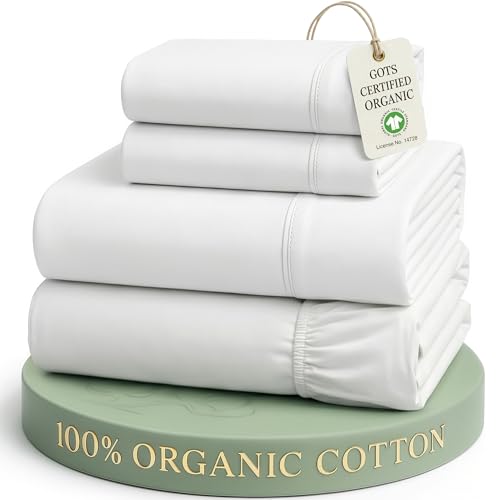

As an Amazon Associate we earn from qualifying purchases at no extra cost to you. Ratings are shown as listed on Amazon.
Linen is also absorbent and breathable. It can feel cool when the room is warm, while its loose structure helps prevent a clammy sensation. However, “breathable” does not mean every linen sheet has the same performance. Fiber blend, fabric weight, finishing, weave, and the warmth of your duvet all matter.
100% linen versus linen blends
- 100% flax linen: Offers the most recognizable linen texture and tends to soften with use. It is usually the most expensive option, with general market ranges of roughly $150–$400 for a queen sheet set, depending on weight, finishing, and construction.
- Linen-cotton blend: Often feels smoother and may be easier for shoppers who dislike pronounced texture. A common blend can cost approximately $80–$250 for a queen set, but the actual ratio varies widely.
- Linen-like synthetic fabric: May imitate the appearance of linen while behaving differently in heat, moisture, and pilling resistance. Read the fiber label rather than relying on “linen look” or similar wording.
Weight and weave: the head-to-head comparison
Fabric weight is commonly expressed in GSM, or grams per square metre. GSM is useful for comparing linen sets, but it is not a complete quality score. A well-made 140 GSM set may suit summer better than a heavier set, while a heavier fabric may feel more durable but less airy.
| Specification | Typical range | Feel and performance | Best match |
|---|---|---|---|
| Lightweight linen | 120–150 GSM | Airy, quick to feel cool, more transparent in pale colors | Warm climates, summer, hot sleepers |
| Medium-weight linen | 150–190 GSM | Balanced drape, texture, and year-round practicality | Most bedrooms and mixed seasons |
| Heavyweight linen | 190–220+ GSM | More substantial and durable-feeling, but potentially warmer and slower to dry | Cool rooms, frequent use, shoppers wanting a dense hand feel |
| Plain weave | Most common construction | Breathable, textured, and relatively easy to compare across brands | General-purpose linen bedding |
| Looser or open weave | Varies by manufacturer | Airier, but may feel less substantial and can snag more easily | Very warm climates and people prioritizing ventilation |
| Tighter weave or blended weave | Varies by manufacturer | Smoother and more structured, often less traditionally “linen-like” | People moving from cotton who want less texture |
Do not use thread count as the deciding metric. Linen yarn is thicker and more irregular than many cotton yarns, so thread-count comparisons can be misleading. Fiber content, GSM, weave, finishing, and construction provide more useful information.
Getting the fitted sheet size right
Measure the mattress height from its bottom edge to the highest sleeping surface. Add the thickness of any topper that will remain on the bed. Then compare that total with the fitted sheet’s stated pocket depth.
For example, a mattress measuring 12 inches plus a 3-inch topper creates a 15-inch total height. A fitted sheet advertised for mattresses up to 14 inches is likely to pull tight or release from the corners. A 16-inch pocket should provide a better target, while an 18-inch pocket may be preferable if the mattress has rounded edges or you dislike a tight fit.
- Standard mattresses: A 12–14 inch pocket often works.
- Mattress plus topper: Look for 16–18 inches after adding both heights.
- Low-profile mattresses: An oversized pocket can leave excess fabric and encourage corner movement.
- Adjustable beds: Look for strong elastic and confirm that the set is designed to accommodate movement.
Also check whether the fitted sheet is sold separately or whether the set includes a flat sheet and pillowcases. Some linen sets use envelope-style pillowcases, while others use a conventional opening; neither is automatically better, but the dimensions can differ.
Care needs and ownership realities
Linen rewards gentle, consistent care. Wash it before first use to remove finishing residue and begin the softening process. Use cool or warm water according to the label, a mild detergent, and a moderate spin. Avoid overloading the drum: crowded sheets twist together, clean less evenly, and develop deeper creases.
- Separate the set from heavy items. Towels and zippers can create friction and lint transfer.
- Use a gentle or normal cycle. Excessively aggressive cycles may stress the fabric and elastic.
- Skip fabric softener. It can coat fibers and reduce linen’s natural absorbency.
- Remove promptly after washing. This limits set-in wrinkles and musty odors.
- Air-dry when practical. A low-heat tumble setting can be convenient, but high heat increases shrinkage and stresses elastic.
- Store completely dry. Folding damp linen encourages mildew and odor.
Wrinkling is normal rather than a defect. If you prefer a smoother appearance, remove the sheets while slightly damp, shake them out, and spread them flat. Iron on a suitable linen setting only if needed. Repeated high-heat drying is one of the most common ways to shorten the useful life of linen bedding.
The first areas to show wear are usually the fitted-sheet corners, elastic, and places that experience repeated friction. Rough mattress platforms, pet claws, abrasive laundry, and over-tight pockets can accelerate damage. If a pet shares the bed, trim sharp claws and consider a washable cover over the linen; this protects the fabric without requiring the sheet set itself to withstand every snag.
Which set should you choose?
Choose lightweight 120–150 GSM linen if your priority is ventilation and your bedroom is warm. Choose medium-weight 150–190 GSM linen if you want one set for most of the year. Choose a linen-cotton blend if you want a smoother transition from cotton or need to limit the initial cost. For a thick mattress, prioritize measured pocket depth over color, packaging, or decorative details.
For most shoppers, the best balance is a prewashed, 100% flax-linen set in the medium-weight range, with a fitted-sheet pocket that exceeds the measured mattress-and-topper height by about 1 inch. That combination provides room for bedding layers, a more approachable texture, and enough versatility for changing seasons.
Frequently asked questions
Will linen sheets feel soft immediately?
Not necessarily. Some are garment-washed or stone-washed and feel relaxed from the first use, while others start crisp. Linen generally becomes more pliable after several washes, so first-touch softness is not the only useful quality indicator.
Are heavier linen sheets always better?
No. Heavier linen may feel denser and withstand frequent use well, but lightweight linen can be more comfortable in hot, humid conditions. Match GSM to your climate and preferred drape.
How often should linen sheets be washed?
Wash them according to normal bedding hygiene and personal use, commonly every one to two weeks. Wash more frequently if the bed is shared with pets, exposed to heavy sweating, or used by someone with relevant care needs.

Write Your Review
No reviews yet. Be the first to share your experience!