

Key takeaways
- Steady, healthy weight with ribs felt but not seen.
- Firm, regular stools.
- Shiny coat and clear eyes.
- Good energy for age.
The best dog food for health is a complete and balanced diet from a company that employs qualified nutritionists, runs feeding trials and publishes quality-control details. Purina Pro Plan, Hill’s Science Diet and Royal Canin are the three brands vets and roundups cite most often, and the right choice depends on your dog’s age, size, weight and any diagnosed conditions. This guide is general information only; talk to your veterinarian before changing the diet of a dog with health problems.
Our top picks



As an Amazon Associate we earn from qualifying purchases at no extra cost to you.
Quick Comparison
| Brand and line | Best for | What stands out | Price range |
|---|---|---|---|
| Purina Pro Plan | Healthy adult dogs, sporty dogs | Many formulas by life stage and size; backed by feeding trials and staff nutritionists | Mid to upper-mid |
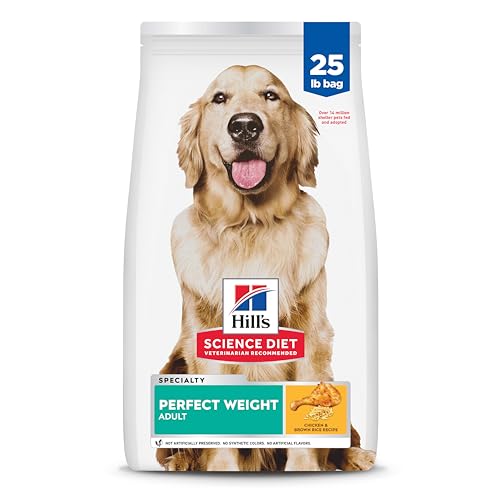
| Hill’s Science Diet | Vet-guided general feeding | Life-stage and sensitive-stomach formulas; vet-recommended | Upper-mid |
| Royal Canin (size and breed lines) | Breed-specific and size-specific needs | Kibble shaped and sized for particular breeds | Upper-mid |
| Purina ONE | Budget-friendly everyday feeding | Meets the same manufacturer-quality questions in some third-party scoring | Budget to mid |
| Fresh-cooked services (The Farmer’s Dog, Just Food For Dogs) | Owners who want fresh, human-grade-style meals | Refrigerated, portioned meals | Premium |
| Prescription diets (Hill’s Prescription Diet, Royal Canin Veterinary Diet) | Dogs with a diagnosed condition | Vet-prescribed only | Premium |
This table reflects how 2026 roundups group these brands. It is a starting point for a conversation with your vet, not a ranking.
How to Judge a Dog Food for Health
The World Small Animal Veterinary Association (WSAVA) suggests that owners ask manufacturers a handful of questions. Per WSAVA guidance, look for a company that employs a full-time qualified nutritionist, uses veterinarians to formulate, runs feeding trials, owns its manufacturing and shares quality-control details. WSAVA does not certify or approve specific brands; claims of a “WSAVA-approved” food are third-party scoring against those guidelines.
1. The adequacy statement
Find the nutritional adequacy statement on the bag. “Complete and balanced” for the correct life stage (growth, adult maintenance, all life stages) is the baseline. Foods that say “for intermittent or supplemental feeding only” are not meant as a full diet.
2. Life stage and size
Puppies need more energy and a controlled calcium level, especially large-breed puppies. Adults need maintenance calories. Seniors may need fewer calories and joint support. Small breeds do better with small kibble; large breeds can use formulas made for their size.
3. Calories, not cups
Compare foods by kcal per cup. A food with 400 kcal per cup and one with 330 kcal per cup need very different portions. Check the feeding guide on the bag and adjust to your dog’s body condition.
4. Ingredient list in context
A named animal protein near the top of the list is common. But ingredient lists do not show nutrient levels or digestibility, so avoid picking on marketing words like “natural” alone.
5. Grain-free
Unless your vet diagnoses a grain allergy, which is rare, there is no need for grain-free food. The FDA investigated a possible link between certain grain-free, legume-heavy diets and a heart condition called DCM, and grain-inclusive diets from established makers carry a lower risk profile based on current evidence. Ask your vet.
Purina Pro Plan
Pro Plan is often the top overall pick for a healthy adult dog. The range includes formulas for small breeds, large breeds, sensitive skin and stomach, weight management and sporting dogs. Purina publishes research and employs nutritionists. Main trade-off: some lines use by-products and corn, which are not harmful but turn some owners away.
Hill’s Science Diet
Hill’s is frequently the vet’s first recommendation, particularly where a prescription version is a possible next step. It offers life-stage lines and formulas for sensitive stomach and skin, oral care and weight. Main trade-off: cost, and it has fewer flavor options.
Royal Canin
Royal Canin is known for breed-specific and size-specific formulas, such as kibble shapes meant for flat-faced breeds. It is also a major maker of veterinary diets. One tracker scored it slightly lower than Purina and Hill’s on feeding-trial documentation, so rankings vary by source.
Fresh and Prescription Options
Fresh-cooked services deliver portioned meals that many dogs like, but they cost more and need freezer or fridge space. Prescription diets are for diagnosed problems such as kidney disease, severe food allergies or GI disease; never start one without a veterinarian’s guidance.
Worked Example: Monthly Cost and Portion
Say your 40 lb dog needs about 1,000 kcal per day. A food with 380 kcal per cup means about 2.6 cups per day. A 30 lb bag holds roughly 120 cups, so it lasts about 46 days. Divide your bag price by 46 and multiply by 30 to get your monthly cost. Repeat for a second food to compare real costs, rather than comparing bag prices. Your dog’s actual needs vary, so confirm with your vet.
Switching Foods Safely
- Days 1 to 3: 25 percent new, 75 percent old.
- Days 4 to 6: 50 percent new, 50 percent old.
- Days 7 to 9: 75 percent new, 25 percent old.
- Day 10: 100 percent new.
Slow the process if your dog has loose stools. Call your vet if vomiting or diarrhea lasts more than a day or two.
Signs the Food Is Working
- Steady, healthy weight with ribs felt but not seen.
- Firm, regular stools.
- Shiny coat and clear eyes.
- Good energy for age.
Decision Guide by Dog
| Your dog | Start by asking your vet about | Why |
|---|---|---|
| Healthy adult, no special needs | Purina Pro Plan or Hill’s Science Diet adult formulas | Complete diets from makers with nutrition staff |
| Large-breed puppy | A large-breed puppy formula | Controlled calcium and calories for slower growth |
| Small breed | Small-bite formula | Kibble sized for small mouths |
| Overweight dog | Weight-management formula and measured portions | Lower calorie density |
| Dog with a diagnosed condition | A prescription diet | Therapeutic diets need veterinary oversight |
| Picky eater | A different texture or a wet topper | Rule out illness first |
Label Mistakes to Avoid
- Picking a food by a single ingredient claim such as “no corn”.
- Judging the diet by price alone. A higher price does not guarantee better nutrition.
- Skipping the adequacy statement.
- Changing foods rapidly instead of over about ten days.
- Feeding by the cup without checking calories.
Treats should stay under about 10 percent of daily calories, which is a common veterinary guideline. If your dog gets many treats, reduce the meal portion slightly.
Frequently Asked Questions
What is the healthiest type of dog food?
There is no single healthiest type. A complete and balanced diet suited to your dog’s life stage from a reputable maker is the foundation, whether it is dry, canned, fresh or a mix.
Is grain-free dog food healthier?
Not for most dogs. True grain allergies are uncommon. Ask your vet before choosing grain-free, given the FDA’s DCM investigation.
Is wet food better than dry?
Wet food has more moisture and may help picky eaters, while dry food is convenient and can be more cost-effective. Many owners mix both.
How much should I feed my dog?
Start with the bag’s guide for your dog’s weight, then adjust by body condition. Your vet can set a target calorie number.
Should I add supplements?
A complete diet usually does not need extras. Add supplements only on veterinary advice.









Write Your Review
No reviews yet. Be the first to share your experience!