

Key takeaways
- Use a well-fitted body harness with the booster tether. A collar can put pressure on the neck if the pet jumps or the vehicle brakes suddenly.
- Keep the tether short enough to prevent climbing over the side, but long enough for the pet to sit, lie down, and turn.
- Do not connect a tether to a decorative strap, zipper pull, removable cover, or cushion handle.
- In a vehicle, secure the booster to the vehicle seat according to its instructions. A loose booster can become unstable even when the pet is calm.
- Do not allow the pet to ride in the front seat where airbags can cause severe injury.
- For highway travel, consider a crash-tested harness or carrier independently secured to the vehicle. A standard booster is primarily for positioning and containment.
The best booster seats are the ones that raise a pet high enough for comfortable dining, secure the body with a properly fitted harness tether, and remain stable when moved between a chair, vehicle, or travel bag. For most households, a washable chair-mounted booster is the most practical home option, while a purpose-built car booster is better for short road trips; neither should replace a crash-tested carrier or vehicle restraint during a serious collision.
Our top picks


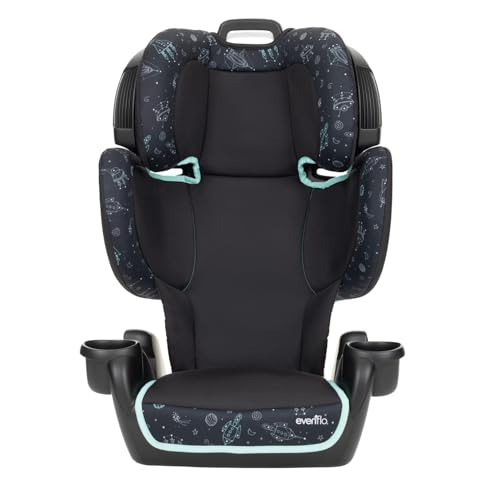
As an Amazon Associate we earn from qualifying purchases at no extra cost to you. Ratings are shown as listed on Amazon.
Best booster seats by situation
| Best for | Recommended type | Useful target specifications | Why it fits the situation |
|---|---|---|---|
| Daily meals at home | Chair-mounted fabric booster | 8–12 in. seat lift; 15–25 lb stated capacity; two chair straps | Raises a small pet to table height without taking floor space |
| Small dogs on car trips | Bucket-style automotive booster | 5–9 in. lift; 10–30 lb capacity; internal safety tether | Creates a contained seating area and reduces wandering |
| Frequent travel | Foldable soft-sided booster | 3–8 lb product weight; removable cover; carry handle | Easier to move between vehicles, hotels, and dining areas |
| Pets that climb or lean | Deep-sided booster with dual attachment points | At least 8 in. side walls; two short tethers; non-slip base | Offers more containment than an open cushion |
| Larger or restless pets | Vehicle harness or secured carrier instead of a booster | Size matched to the pet; independent vehicle attachment | A booster may tip, sag, or fail to contain a stronger animal |
Our top picks and who should choose them
Best all-around car booster: K&H Pet Products Bucket Booster Pet Seat
The K&H Bucket Booster Pet Seat is a sensible choice for small dogs and cats that want to look out of the window. Its bucket shape gives more side support than a flat travel cushion, and its elevated design can improve visibility without requiring the pet to stand on the vehicle seat. The removable cover is useful because travel boosters commonly collect fur, drool, and crumbs.
Choose the size by the interior sleeping area rather than the advertised weight limit alone. A pet should be able to sit, lie down, and turn around without pressing continuously against the sides. Use the included internal tether only with a harness, never with a collar. The main limitation is that a soft booster is not the same as a certified crash-protection system, so it is best treated as a comfort-and-containment product for routine travel.
Best plush option: Snoozer Lookout Car Seat
The Snoozer Lookout Car Seat suits small pets that settle well in a padded nest. Its raised, upholstered form provides a more furniture-like feel than a thin travel bed, which can help a pet remain in one place during a drive. It is particularly appealing for dogs that dislike hard-sided carriers but still need a defined seating area.
Before buying, check the usable interior dimensions carefully. Thick bolsters reduce the space available to a long-bodied dog, and plush filling can compress over time. Frequent travelers should inspect the tether stitching and the base after every few months, especially if the pet scratches before settling.
Best for portability: Kurgo Skybox Booster Seat
The Kurgo Skybox Booster Seat is designed around compact vehicle use and portability. Its lightweight, structured shape is easier to carry than a bulky upholstered bed, while the elevated base gives a small pet a better view. It is a good match for owners who move a booster between cars or combine driving with visits to friends and family.
Its compact dimensions are also its trade-off: a broad or long pet may find it restrictive. Measure the pet while sitting, then compare that width with the interior base. A booster should not force the shoulders against the side walls or leave the animal balanced on the edge.
Best home-dining setup: a chair-mounted pet booster
For mealtimes at home, a chair-mounted booster is usually more convenient than a car seat. Look for a rigid or well-supported base, two independent straps that wrap around the chair, a washable liner, and a short tether. The seat should attach to a solid dining chair with a back; do not use a folding chair, bar stool, wheeled chair, or chair with a loose cushion.
There is no need to buy a premium car-oriented model for occasional dining. A stable booster with an 8- to 12-inch lift and a 15- to 25-pound capacity is generally more useful than a deeply padded seat that is difficult to clean. Keep the pet tethered only while supervised, and remove the booster if the animal repeatedly tries to climb out.
Height adjustment: what matters more than the tallest setting
Adjustable height is valuable when table heights vary, but excessive elevation can make a booster less stable. A useful setting allows the pet’s chest to reach the table or countertop without stretching upward or placing the front paws on the edge. Start at the lowest position and raise it in small increments.
For a chair booster, measure from the chair seat to the tabletop. Then measure the pet from the floor to the top of the chest while standing naturally. The approximate lift needed is:
Required lift = table height − pet chest height − 1 to 3 inches
For example, if the table is 29 inches high and the pet’s chest is 20 inches from the floor, a lift of about 6 to 8 inches should usually be enough. The final adjustment should prioritize a level, relaxed posture rather than perfect nose-to-plate alignment.
Harness safety and attachment points
- Use a well-fitted body harness with the booster tether. A collar can put pressure on the neck if the pet jumps or the vehicle brakes suddenly.
- Keep the tether short enough to prevent climbing over the side, but long enough for the pet to sit, lie down, and turn.
- Do not connect a tether to a decorative strap, zipper pull, removable cover, or cushion handle.
- In a vehicle, secure the booster to the vehicle seat according to its instructions. A loose booster can become unstable even when the pet is calm.
- Do not allow the pet to ride in the front seat where airbags can cause severe injury.
- For highway travel, consider a crash-tested harness or carrier independently secured to the vehicle. A standard booster is primarily for positioning and containment.
Decision matrix: choosing without overspending
| Your situation | Prioritize | Skip or reconsider |
|---|---|---|
| First-time pet owner | Low entry height, short tether, washable cover, clear weight limits | High-sided designs that make inspection difficult |
| Daily home use | Chair straps, rigid base, removable liner, stain-resistant fabric | Models that require assembly at every meal |
| Weekly car travel | Vehicle attachment straps, non-slip underside, dual tether points | Open cushions with no side containment |
| Several vehicles | Light weight, carry handle, quick-release straps, compact folding | Heavy plush seats that stay in one vehicle |
| Limited budget | Correct fit and secure attachment over extra padding | Paying more for height your pet will not use |
| Escape-prone pet | Deep sides, secure harness, closely supervised training | Any booster the pet can climb out of |
Ownership costs and durability
General market prices range from roughly $30 to $70 for simple chair or soft travel boosters, $60 to $150 for better-padded automotive models, and more for specialized crash-tested restraint systems. A $90 booster used four times a week for two years costs about $0.87 per use before replacement parts: $90 divided by 416 uses. A cheaper seat that loses its shape after six months may cost more over the same period.
The first parts to wear are usually the tether stitching, chair straps, hook-and-loop closures, zippers, and the underside that contacts the vehicle seat. Check them monthly. Replace the booster immediately if a strap is frayed, a buckle no longer locks, the base folds unexpectedly, or the tether has pulled away from its seam.
Wash removable covers according to the label and dry them completely before reinstalling. Vacuum hair from seams before washing; otherwise, hair can mat into the fabric and reduce cleaning effectiveness. Avoid harsh bleach unless the manufacturer permits it, because chemical damage may weaken webbing or coatings. Never use a damp booster for travel: moisture trapped under padding can produce odors and mildew.
How to introduce a pet to a booster
- Place the uninstalled booster on the floor with treats nearby.
- Reward the pet for investigating it, then for placing two paws inside.
- Feed a few calm treats while the pet sits or lies down.
- Install the booster securely and repeat the exercise without starting the vehicle.
- Begin with a five-minute drive, then increase travel time gradually.
- Stop if the pet is panting heavily, repeatedly scrambling, vomiting, or attempting to escape, and ask a veterinarian or qualified behavior professional for guidance.
Bottom line
For regular car use, choose a properly sized bucket booster such as the K&H Bucket Booster, Snoozer Lookout, or Kurgo Skybox, depending on whether padding, comfort, or portability matters most. For dining at home, a stable chair-mounted booster is usually the better buy. In every case, fit the seat to the pet’s usable interior space, attach the restraint to a harness, inspect the hardware regularly, and choose a crash-tested carrier or harness when collision protection is the priority.

Write Your Review
No reviews yet. Be the first to share your experience!