

Key takeaways
- Does the backup retain the time and alarm after unplugging?
- Will the alarm sound during a power cut, and for how long?
- Does the sunrise light operate from the battery, or only the clock and buzzer?
The best wake up lights for most people are the Lumie Bodyclock Shine 300 for simple, no-subscription sunrise alarms, the Philips SmartSleep Wake-Up Light HF3531/60 for a richer bedside feature set, and the Hatch Restore 3 for app-based routines and soundscapes.
A wake-up light gradually brightens before your alarm time, then uses sound, light, or both to signal that it is time to get up. The important differences are not just brightness: sunrise duration, light color, alarm-sound choice, bedside size, physical controls, and whether the alarm still works after a power cut can make one model much better suited to your routine than another.
Our top picks

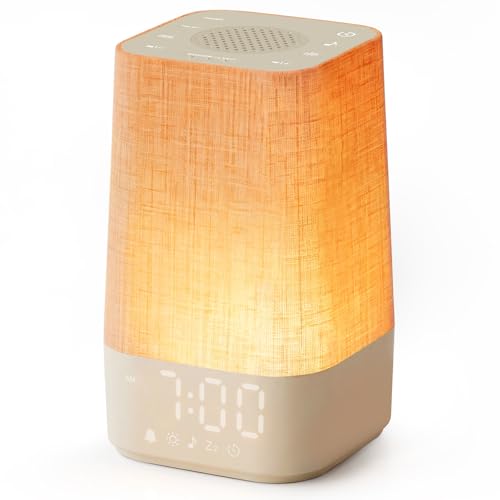


As an Amazon Associate we earn from qualifying purchases at no extra cost to you. Ratings are shown as listed on Amazon.
Quick comparison of the leading choices
| Model | Sunrise duration | Brightness and color | Alarm sounds | Controls and backup | Typical price range |
|---|---|---|---|---|---|
| Lumie Bodyclock Shine 300 | Adjustable, up to 30 minutes | Warm-to-bright white; 20 light levels | 15 natural sounds plus radio | Physical controls; backup battery for clock and alarm settings | $120–$170 |
| Philips SmartSleep HF3531/60 | Adjustable, 20–40 minutes | Colored sunrise simulation; up to about 300 lux | Several natural sounds, FM radio, and gentle wake options | Top and rear controls; battery backup for alarm settings | $130–$200 |
| Hatch Restore 3 | Customizable in the app | Adjustable color and brightness, including warm tones | Large soundscape and alarm library; some content requires membership | App and on-device controls; relies mainly on mains power | $130–$170, plus optional subscription |
| Lumie Bodyclock Luxe 700FM | Adjustable, up to 90 minutes | Colored sunrise and sunset; multiple brightness levels | 20 wake sounds, FM radio, and Bluetooth audio | Physical controls and remote-style operation; backup battery | $220–$300 |
Specifications can vary slightly by country and revision, particularly the included sounds, radio functions, and battery-backup behavior. Check the regional manual before buying if a backup alarm is essential.
Best wake up lights by situation
| Your priority | Best fit | Why | Trade-off |
|---|---|---|---|
| Lowest ongoing cost | Lumie Bodyclock Shine 300 | Standalone operation with physical controls and no required app plan | Less flexible than app-connected models |
| Strongest feature set without a phone | Philips SmartSleep HF3531/60 | Colored light, sound choices, radio, and a built-in backup function | Its rounded body takes more room than a compact alarm clock |
| Detailed routines and soundscapes | Hatch Restore 3 | App scheduling, color customization, bedtime routines, and extensive audio | Some features depend on the app and optional membership; power loss is a concern |
| Long, gradual sunrise | Lumie Bodyclock Luxe 700FM | Its longer ramp can be useful if a 20–30 minute transition feels abrupt | Costs more and has a larger footprint |
| Small bedside table | A compact, basic sunrise alarm | Look for a footprint under roughly 15 by 15 centimetres and front-facing controls | Compact models commonly sacrifice speaker quality, radio, or battery backup |
Sunrise duration: 20, 30, or 90 minutes?
A 20- or 30-minute sunrise is the sensible starting point for most bedrooms. It provides a noticeable transition without leaving the lamp glowing for a large part of the night. Choose a longer 60- or 90-minute ramp if you wake very gradually, use blackout curtains, or dislike a sudden change from darkness to bright light.
Duration also affects placement. A long ramp does not compensate for a lamp hidden behind a book, curtain, or tall headboard. Keep the light on the same side as your face when you are lying down, but avoid aiming an intense beam directly into your eyes. If a device feels too bright, reduce its final intensity before extending the ramp.
Brightness and color range matter more than extra sounds
Look for a lamp that combines warm red, amber, or orange tones at the beginning with brighter white or yellow light near wake time. This usually looks more like dawn than a lamp that simply switches from dim white to bright white. A maximum output around 200–300 lux at the intended viewing position is a useful specification, although manufacturers do not always measure it from the same distance.
More color choices are not automatically better. A broad RGB range is useful for bedtime routines or a low-level reading glow, but the wake-up setting should be easy to reproduce every morning. A device with a smaller, well-tuned sunrise range can be preferable to one requiring repeated app adjustments.
Alarm sounds and controls: the daily-use difference
Natural sounds such as birds, waves, or soft chimes are less jarring than a single electronic beep, but sound quality varies. Listen for the number of volume steps and whether the alarm can be set to light-only, sound-only, or both. If you share a room, a light-only alarm may be considerate, while a heavy sleeper may need the sound to continue after the light reaches full brightness.
Physical buttons are valuable when you are half-awake, when your phone is charging elsewhere, or when the Wi-Fi is unavailable. App control is better for complicated schedules, color changes, and multiple routines. The best compromise is an app-enabled light with a large snooze button and a way to start or stop the alarm directly on the unit.
Backup batteries: what they usually do
A backup battery is not always a battery-powered lamp. In many sunrise alarms, it preserves the clock and alarm settings or sounds a basic alarm during a short power interruption, while the light itself remains unavailable. This distinction matters if you depend on the illumination rather than the audio.
Before buying, check three points:
- Does the backup retain the time and alarm after unplugging?
- Will the alarm sound during a power cut, and for how long?
- Does the sunrise light operate from the battery, or only the clock and buzzer?
If a dependable wake-up is important, keep a simple battery alarm or phone alarm as a secondary option for the first week. That lets you learn how your chosen model behaves during setup and unexpected outages.
Bedside footprint, cleaning, and ownership costs
Measure the usable part of the nightstand, not just its total width. Allow at least 3–5 centimetres behind the lamp for the power cable and enough space above it for pressing buttons. Rounded models such as the Philips and larger Lumie clocks can occupy more surface area than their advertised width suggests. The Hatch Restore 3 is relatively tidy, but its usefulness depends more heavily on the phone app and network setup.
Most wake-up lights have no replaceable consumables, so the first ownership problems are usually dust on the diffuser, sticky buttons, cable strain, or a weakening backup battery. Wipe the diffuser with a dry or slightly damp microfiber cloth; do not spray cleaner into vents or controls. Keep the lamp away from steam, pet water bowls, and direct sunlight, which can discolor plastic and reduce display visibility.
A simple cost-per-use calculation puts the price in perspective. A $150 lamp used once each day for three years costs about 14 cents per morning: $150 divided by 1,095 mornings. A $150 app-connected model with a $6 monthly membership adds $216 over three years, raising the total to $366, or about 33 cents per morning. If you only want a gradually brightening alarm, a subscription-based model may therefore be poor value even if its initial price looks competitive.
How to set up a wake-up light properly
- Place it before choosing the schedule. Put the diffuser where it is visible from the pillow and not blocked by furniture.
- Start with a 30-minute sunrise. Use a warm beginning and a moderate final brightness rather than the maximum setting.
- Add sound only if needed. Try light-only first; choose a gentle chime or nature track if you sleep through the light.
- Set the clock and test the alarm. Run a short test during the day so you know how the light, sound, snooze button, and backup feature behave.
- Adjust one setting at a time. If waking still feels abrupt, lengthen the sunrise before increasing brightness or volume.
Bottom line
Choose the Lumie Bodyclock Shine 300 if you want a dependable, subscription-free sunrise alarm with straightforward controls. Choose the Philips SmartSleep HF3531/60 if colored light, radio, and backup behavior are high priorities. Choose the Hatch Restore 3 for app-led routines and extensive audio, provided you accept its dependence on connected features. For the gentlest and longest transition, the Lumie Bodyclock Luxe 700FM is the more specialized option.

Write Your Review
No reviews yet. Be the first to share your experience!