
Our Short List of 3
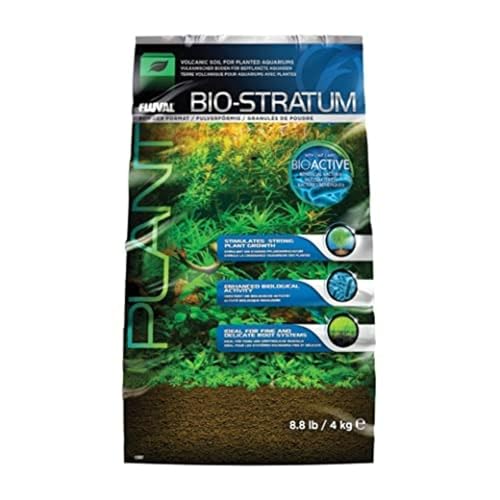
- Best for: New bioactive planted tanks that need bacteria working from day one.
- Size: 8.8 Pound (Pack of 1)
- Item model number: 12697
- Natural mineral-rich volcanic soil
- Bioactive formula with beneficial bacteria

- Best for: Shrimp tanks and soft-water planted tanks with delicate livestock.
- Item weight: 8.8 pounds
- Item model number: 12694
- Volcanic soil from the mineral-rich foothills of Mount Aso
- Supports neutral to slightly acidic pH
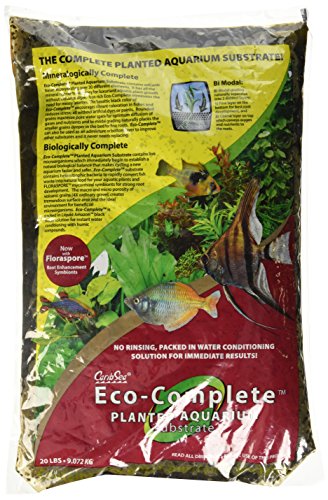
- Best for: Large planted community tanks that need a durable, long-lasting dark bed.
- Item weight: 20 pounds
- Model name: Eco-Planted Black 20lb
- Basalt volcanic base with iron, calcium, magnesium, potassium, and sulfur
- No artificial dyes, paints, or chemical coatings
All 4 Picks at a Glance
| Product | Specs | Action |
|---|---|---|
| Fluval Bio Stratum 8.8 lb |
| Check price on Amazon |
| Fluval Plant and Shrimp Stratum 8.8 lb |
| Check price on Amazon |
| CaribSea Eco-Complete Planted Black 20 lb |
| Check price on Amazon |
 Aqua Natural Galaxy Sand Bio-Substrate 5 lb |
| Check price on Amazon |
Key takeaways
- Compare four substrates that feed plants and house bacteria in a bioactive aquarium, from volcanic soil to seeded sand, and pick the bed for your tank.
Choosing a substrate for a bioactive aquarium is really a choice about who does the work in your tank. The bed has to feed plant roots, give beneficial bacteria a place to live, and hold water chemistry steady while fish and shrimp stir it every day. A bed that compacts, clouds the water, or swings pH will fight you for months, while the right one quietly supports the whole system.
This guide is for planted-tank keepers building a first bioactive system, shrimp keepers who need soft water and gentle grains, and aquascapers rebuilding a tank around heavy root feeders. Each product below was chosen from its Amazon listing name and listed specifications, so you can match bag size, grain, and water effect to your own tank before you buy.
Quick Picks
As an Amazon Associate we earn from qualifying purchases
| Product | Best for | Key spec from title |
|---|---|---|
| Fluval Bio Stratum 8.8 lb | New bioactive setups that need bacteria from day one | Mineral-rich volcanic soil, 8.8 lb bag |
| Fluval Plant and Shrimp Stratum 8.8 lb | Shrimp tanks and soft-water planted tanks | Volcanic soil, supports neutral to slightly acidic pH |
| CaribSea Eco-Complete Planted Black 20 lb | Large planted community tanks | Basalt gravel, 20 lb bag |
| Aqua Natural Galaxy Sand Bio-Substrate 5 lb | Seeding a new tank cycle fast | Sand seeded with bio-active nitrifying bacteria, 5 lb |
How to Choose
Active soil or inert bed
Active soils such as volcanic stratum change the water around them. They soften it, pull pH down a little, and release nutrients that root-feeding plants use at once. That suits soft-water fish, shrimp, and demanding carpet plants, but it also means a fresh bed needs cycling before livestock goes in, and the buffering effect fades over time. Inert beds such as porous clay gravel or basalt do almost nothing to water chemistry. They last far longer and give you full control through root tabs and liquid fertilizer, which suits hard-water community tanks and keepers who want a bed they never replace. Choose the chemistry first, then the bag.
Grain size and the animals that live on it
Grain size decides which animals can live comfortably on the bed and how well roots can spread. Fine sand suits corydoras, loaches, and other bottom dwellers that sift the bed, and it holds delicate carpeting plants that root through tiny gaps. Coarse gravel lets water flow between grains, which keeps the bed oxygenated and gives bacteria more surface, but heavy grains can bruise soft barbels and make small plants hard to anchor. Granular soils sit in the middle: light, porous pellets that roots push through easily while still holding their shape. Match the grain to the animals first, because fish that dig and sift will show you a wrong choice within days, while plants take weeks to complain.
Bacteria, cycling, and the first weeks
A bioactive tank runs on bacteria living in the substrate, and the first weeks decide how strong that colony becomes. Seeded sands arrive wet with nitrifying bacteria already on the grains, so ammonia from new plants and early stocking gets processed sooner, though the tank still needs monitoring until readings settle. Unseeded soils and gravels grow their colony from the water and from added starter cultures, which takes longer but leaves you in control of the pace. Either way, add livestock slowly, feed lightly, and change water on schedule while the bed matures. A substrate can help a cycle along, but no bag replaces patience during those first weeks.
Bag size, depth, and how much you actually need
Most planted tanks need a bed about two inches deep, and the bag that covers a ten-gallon tank will look small next to a forty-gallon one. Fluval publishes a simple guide for its stratum: a 4.4 lb bag suits a five-gallon tank, an 8.8 lb bag suits a ten-gallon tank, and a 17.6 lb bag suits a thirty-gallon tank at that depth. Larger tanks need more than one bag, and sloped aquascapes need extra material at the back. Work out the footprint of your tank before ordering, then add one spare bag for slopes and replanting. Running short halfway through a build means a visible seam in the bed that never quite blends in.
The 4 Best Options
Fluval Bio Stratum 8.8 lb
- Best for: New bioactive planted tanks that need bacteria working from day one.
- Size: 8.8 Pound (Pack of 1)
- Item model number: 12697
- Natural mineral-rich volcanic soil
- Bioactive formula with beneficial bacteria
New bioactive planted tanks that need bacteria working from day one.
The light granules shift easily, so add water slowly and avoid heavy vacuuming over the bed.
Fluval Bio Stratum is the most literal match for a bioactive setup, because its volcanic soil granules carry beneficial bacteria that support biological activity from the start. The porous pellets give roots room to spread and give bacteria the surface they need, while the mineral-rich soil feeds plants as they establish. It suits a new planted tank where the keeper wants the bed itself to help the cycle along, and its fine, delicate root support makes it a natural pick for carpeting plants and small foreground species. The 8.8 lb bag covers a ten-gallon tank at a two-inch depth.
Watch out for: The light granules shift easily, so add water slowly and avoid heavy vacuuming over the bed.
Fluval Plant and Shrimp Stratum 8.8 lb
- Best for: Shrimp tanks and soft-water planted tanks with delicate livestock.
- Item weight: 8.8 pounds
- Item model number: 12694
- Volcanic soil from the mineral-rich foothills of Mount Aso
- Supports neutral to slightly acidic pH
Shrimp tanks and soft-water planted tanks with delicate livestock.
The granules are light and soft, so rough handling during planting can crush them and cloud the water.
The original Fluval stratum earns its place in shrimp tanks, where soft water and gentle grains matter more than raw nutrient load. Its volcanic soil comes from the foothills of Mount Aso, formed into light, porous granules that do not compact, so roots stay oxygenated and baby shrimp find shelter between the grains. It supports a neutral to slightly acidic pH, which suits Caridina shrimp and soft-water community fish. The same formula comes in 4.4, 8.8, and 17.6 lb bags, so a keeper can scale one familiar substrate from a nano tank to a large display.
Watch out for: The granules are light and soft, so rough handling during planting can crush them and cloud the water.
CaribSea Eco-Complete Planted Black 20 lb
- Best for: Large planted community tanks that need a durable, long-lasting dark bed.
- Item weight: 20 pounds
- Model name: Eco-Planted Black 20lb
- Basalt volcanic base with iron, calcium, magnesium, potassium, and sulfur
- No artificial dyes, paints, or chemical coatings
Large planted community tanks that need a durable, long-lasting dark bed.
The grain range is wide, so fine particles can settle at the bottom of the bag; pour evenly to avoid patchy areas.
CaribSea Eco-Complete Black suits the keeper building a big planted community tank that should look the same in three years as it does on day one. Its basalt gravel carries iron, calcium, magnesium, potassium, and sulfur, and it needs no rinsing before use, so a large bed goes in with far less mess than a dusty clay gravel. The dark grains make green plants and bright fish stand out, and the wide grain range from 0.25 to 7.0 mm gives roots plenty of anchoring points. A single 20 lb bag covers a good share of a mid-size tank.
Watch out for: The grain range is wide, so fine particles can settle at the bottom of the bag; pour evenly to avoid patchy areas.
Aqua Natural Galaxy Sand Bio-Substrate 5 lb
- Best for: Cycling a new tank quickly or seeding bacteria into an existing setup.
- Item weight: 5 pounds
- Item model number: BIOFRESH005
- Sand seeded with start-up bio-active nitrifying bacteria
- Sold wet with live bacteria
Cycling a new tank quickly or seeding bacteria into an existing setup.
It is sold wet and must not be rinsed, so keep the bag sealed until the moment you pour it in.
Aqua Natural Galaxy Sand is the fastest way to put living bacteria into a new tank, because the sand arrives wet and seeded with nitrifying bacteria that start processing ammonia at once. The maker suggests mixing one part of this bio-substrate with four parts of dry substrate for each gallon of water, so one small bag stretches across a whole setup as a starter layer. It suits a keeper cycling a new tank on a deadline, or anyone refreshing an established tank with fresh bacterial stock. The dark galaxy color also gives a planted tank a natural riverbed look.
Watch out for: It is sold wet and must not be rinsed, so keep the bag sealed until the moment you pour it in.
Which One Fits Your Situation
Starting your first bioactive tank from scratch
Pick Fluval Bio Stratum. Its bacteria-seeded volcanic granules give a new tank both a home for microbes and food for roots, so the bed starts working the day the water goes in. Pair it with a two-inch depth and light early feeding, and the tank matures with less guesswork than a plain gravel bed.
Keeping shrimp in soft water
Pick Fluval Plant and Shrimp Stratum. Its gentle granules protect baby shrimp, its porous structure keeps roots oxygenated, and its neutral to slightly acidic pH suits Caridina shrimp and soft-water fish. Add it slowly, fill the tank with care, and let the bed settle before the new shrimp go in.
Planting a large community tank that must last
Pick CaribSea Eco-Complete Black. A 20 lb bag covers real ground, the basalt gravel never needs replacing, and its mineral content feeds root feeders while the bed stays out of your water chemistry. It is the low-drama choice for a community tank that should run for years with only root tabs and routine care.
Cycling a new tank quickly
Pick Aqua Natural Galaxy Sand. Mix it with your dry substrate at the stated one-to-four ratio and the seeded bacteria start work at once, which suits a keeper with fish waiting in a quarantine tank. Keep feeding light and watch ammonia readings daily until the numbers hold steady for the first week.
Common Mistakes
- Pouring an active soil into a hard-water cichlid tank, then fighting pH that keeps drifting down.
- Skipping the cycle and adding a full stock of fish the same day the substrate goes in.
- Rinsing a seeded bio-substrate until the water runs clear, which washes away the bacteria you paid for.
- Spreading the bed too thin, so rooted plants pull free and the tank never looks finished.
- Vacuuming a light granular soil like a gravel bed, which stirs up clouds and uproots carpeting plants.
Frequently Asked Questions
How deep should substrate be in a bioactive aquarium?
Two inches is the standard depth for most planted tanks, and it gives roots room to spread while letting water move through the bed. Deeper beds suit large root feeders and sloped aquascapes, but beds much deeper than three inches can trap waste and form dead zones, so add depth only where the layout needs it.
Do I need to rinse bioactive substrate before adding it?
It depends on the product. Seeded bio-substrates arrive wet with live bacteria and should go in as sold, since rinsing washes the colony away. Dry clay gravels and basalt substrates may carry transit dust, so a light rinse helps them settle clear, but check the bag first because some makers state that no rinsing is needed.
Can I mix a bio-substrate with plain gravel or sand?
Yes, and mixing is often the smartest use of a seeded product. One part bio-substrate to four parts dry substrate gives a whole tank a bacterial starter without the cost of filling the bed with seeded sand alone. Keep the seeded layer near the bottom or spread evenly, and avoid burying it under a cap so thick that water cannot reach it.
How often should bioactive substrate be replaced?
Most bioactive substrates last far longer than beginners expect. Inert clay and basalt beds can run for the life of the aquarium with root tabs to renew nutrition. Active volcanic soils slowly lose their buffering and nutrient load, usually over one to two years, so watch plant growth and water readings and refresh the bed only when they start to fade.
More from Amazon
Programs that pair well with the guide above. Offers and eligibility are set by Amazon and may change.
Set up recurring deliveries of everyday items on eligible products. Terms and savings are set by Amazon.
Explore Subscribe & SaveFree shipping on eligible items, Prime Video and more. Eligible new members can start with a free trial.
Start a Prime free trialAudiobooks and podcasts to listen to on the go. Eligible new members can start with a free trial.
Try Audible freeRead from a large library of eBooks and audiobooks on any device. Check Amazon for current plans.
Explore Kindle UnlimitedAs an Amazon Associate we earn from qualifying purchases.








Write Your Review
No reviews yet. Be the first to share your experience!